Introduction
A healthy cash flow is essential for a growing business as much as it is important to increase sales. Even if the company’s revenue is high, it may still experience financial difficulties due to slow-paying customers. That’s where the AR Management comes in handy. It streamlines outstanding invoice tracking and allows businesses to follow up with customers, helps avoid delayed payments and keeps cash flowing. By managing receivables effectively, companies can enhance their financial health, make informed decisions, and confidently move forward toward long-term growth.
What Is Accounts Receivable Management?
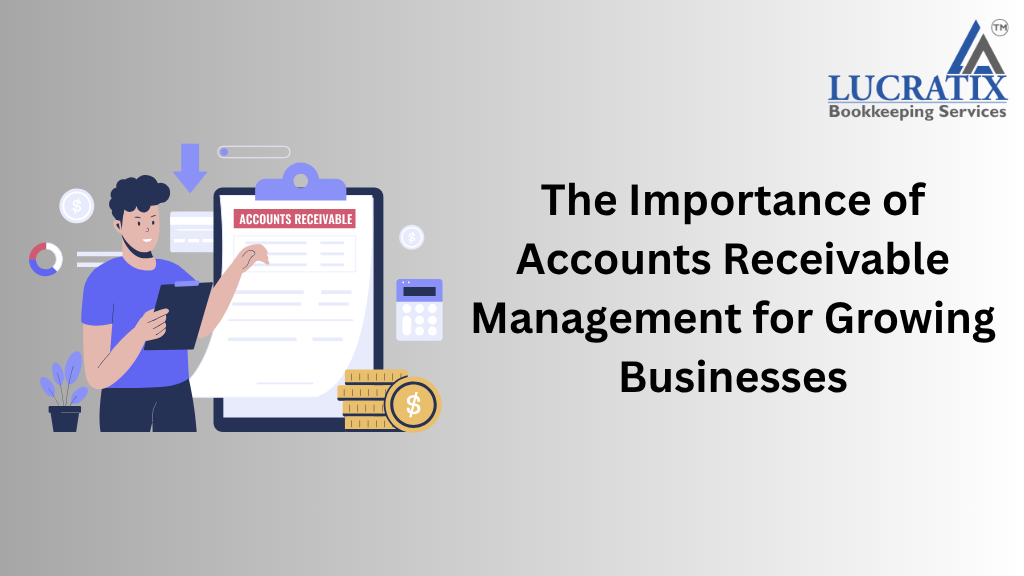
Accounts Receivable Management is the tracking and handling of all money that customers owe a business for products and/or services already delivered. This will involve making and sending bills, monitoring bill dates, chasing bills for late receipt, logging bills received and checking outstanding bills.
Good accounts receivable management means companies are paid on time and working relations are maintained with their customers. If the processes are not in place, unpaid invoices can start piling up and lead to cash flow issues. A structured receivables process will provide business owners with more visibility into expected income, and alert them to possible payment issues before they become a problem.
Why Growing Businesses Need Better Receivables Management
The more a business expands, the more customers, invoices, and transactions there will be. The manual method of receivable management can be time-consuming and prone to discrepancies in customer follow-ups, record-keeping, and missed payments.
Businesses can use professional accounts receivable services to streamline their accounts receivable process and ensure they have accurate financial records. When businesses monitor the payment schedules and outstanding invoices, they can minimize the chance of overdue payments and enhance their working capital. This is especially beneficial for small businesses and startups that require steady cash flow to sustain their operations, salaries, suppliers, and other financial needs.
Key Benefits of Effective Accounts Receivable Management
An efficient receivables management can directly impact the state of a business. It not only enhances collections, but also provides business owners with more control of their cash position.
Some of the benefits are:
- Better cash flow: quicker collections enable businesses to have enough working capital for basic operations.
- Decreased overdue invoices: Set up reminders and follow up regularly to minimize payment delays.
- Improved financial visibility: Receivables records are updated and can indicate the amount of money that is expected and when it could be received.
- Less administrative burden: Streamlined processes free up internal teams’ time.
- Improved Customer Relationships: Invoice communication is clear and professional, enhancing customer experience.
- Reduce collection risks: By tracking the ageing of receivables, businesses can identify accounts that might need special attention.
How Technology Can Improve Accounts Receivable Processes
Businesses have experienced a transformation in their invoice and customer payment processes thanks to technology. Businesses can use accounting software and automatically generated invoicing systems to generate invoices, send payment reminders, record transactions, and track overdue payments.
Automated reporting can also be used to check accounts receivable ageing and determine which bills are not paid. The availability of online payment choices may assist customers to make on-time payments. Further automation of the process can be achieved by integrating the invoicing and accounting systems, which minimizes manual data entry and errors.
Technology and professional accounts receivable management can help streamline and scale a company’s financial process as they grow.
When Should a Business Consider Accounts Receivable Outsourcing?
If a business has many customers or many invoices, it can be challenging to run the receivables functions internally. Time is lost in business owners and employees preparing and verifying payments, sending out reminders, and reconciling the accounts.
Businesses can outsource their accounts receivable to experts in bookkeeping and accounting, and that’s what accounts receivable outsourcing is all about. An outsourced team can be hired to keep track of the invoices, chase outstanding receivables, record accurate entries and report regularly.
For small businesses which seek professional financial support but do not want to have to maintain a large accounting department within the company, outsourcing can really be helpful.
Best Practices for Managing Customer Receivables
Organizations have the opportunity to enhance their receivables process by setting the expectations of payment clearly before delivering products or services. The invoice should be accurate and easy to understand and be sent promptly. Customers should be aware of payment due dates.
It is also crucial to review unpaid and overdue invoices on a regular basis. Companies need to track aging reports and take action before invoices get too far “over the hill. Keeping accurate Customer records and having a record of the discussion of these payments can avoid miscommunication.
Another useful tip is to have a regular collection schedule. Businesses can send friendly reminders before and immediately after the due date, rather than waiting until the bill is seriously delinquent. This will help with timely collections with positive customer relationships.
Conclusion
Effective accounts receivable control is a significant element in a financially strong and viable company. Accurate invoicing, tracking outstanding payments, chasing outstanding payments and adopting appropriate technology can help companies have better cash flow and minimise financial uncertainty. Professional accounts receivable services and accounts receivable outsourcing can offer further support and efficiency to businesses as they expand. An effective receivables process can provide business owners with more control over their finances and more time to focus on growing their business.